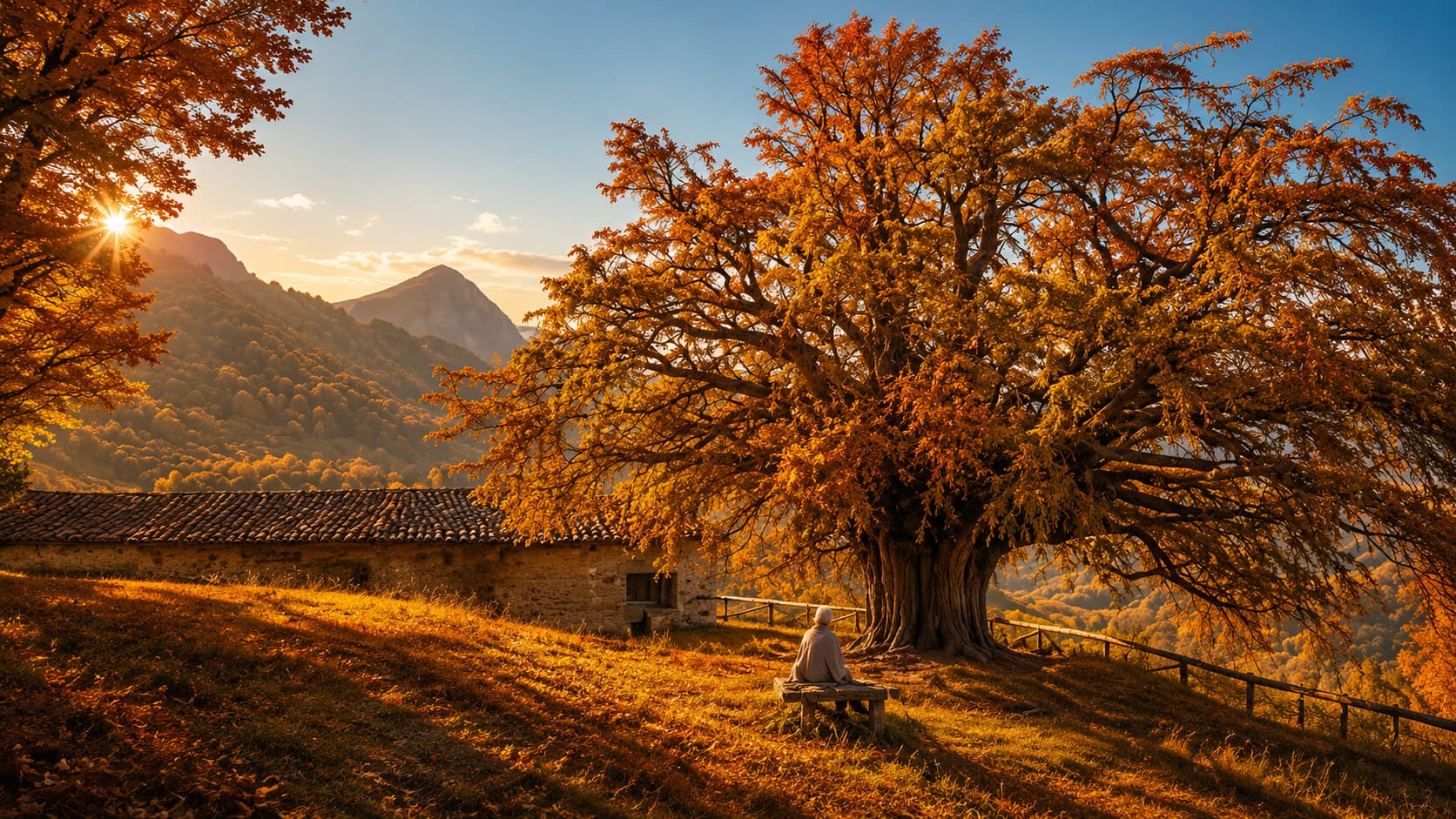
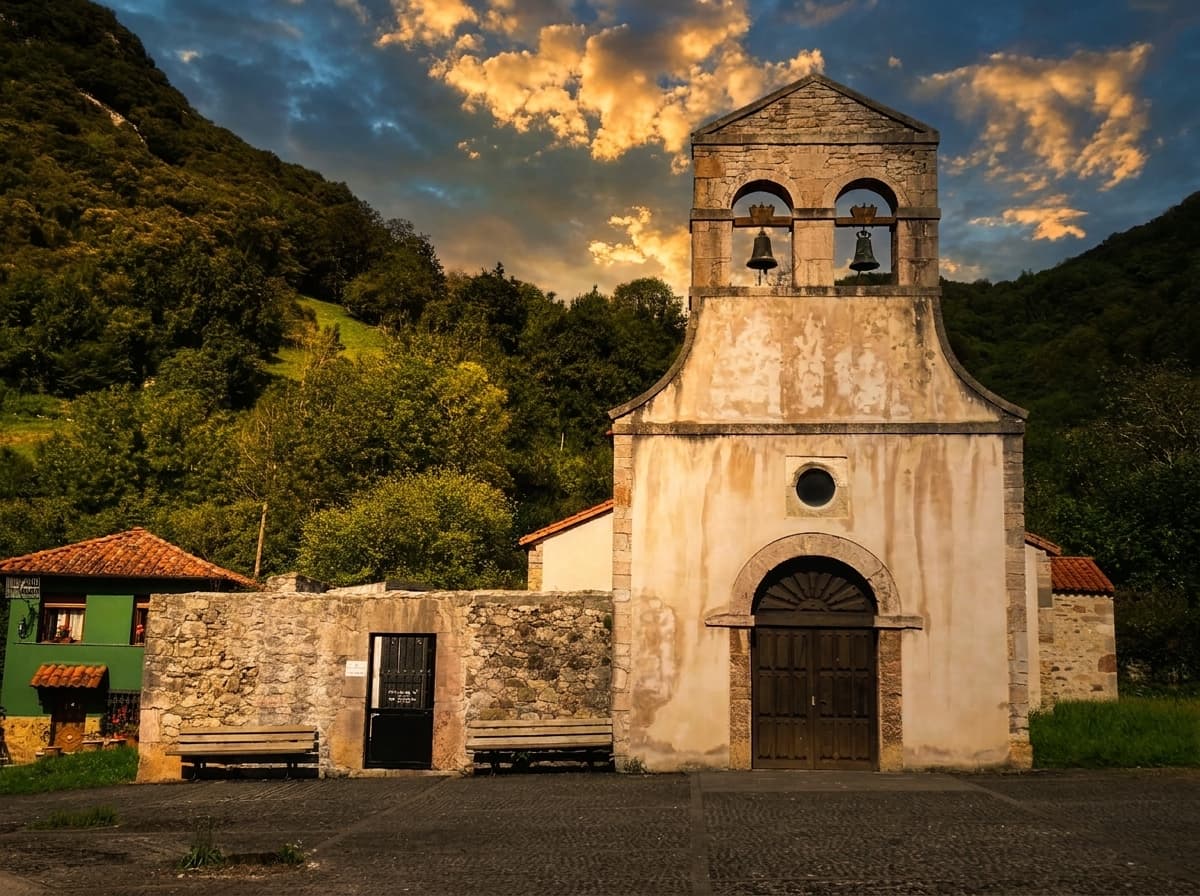
The Senda del Oso is more than a greenway: it is the thread that ties together four councils in central Asturias with centuries of their own culture. Teverga, Proaza, Santo Adriano and Quirós offer, beyond the landscape, fairs, inherited crafts, one of the strongest food traditions in northern Spain, and a mining heritage turned into protected patrimony.
This guide is for anyone who wants to cycle with context and understand why the trail means more than the kilometres under your wheels.
Four councils, four identities
The Senda del Oso runs west to east (or the other way around) through four Asturian councils with their own personalities, all historically tied to the Trubia valley and to coal mining.
Santo Adriano: the smallest in area but the most densely wooded. Home to the Las Xanas Gorge and the southern start of the trail. Long forestry tradition.
Proaza: the bear council. This is where Molina lives, the female bear in the Fernanchín enclosure who took over from Paca and Tola. Also the historical heart of the Cantabrian brown bear recovery.
Teverga: where you enter the trail if you come to rent a bike with us (Entrago is our base). The largest council, with the Prehistory Park and the Romanesque collegiate church of San Pedro.
Quirós: the opposite end, with mountain landscapes, traditional teitos (huts roofed with broom-grass thatch) and the Bermiego Yew, one of the oldest trees in Spain.
Festivals and traditions through the year
If you can plan your visit around a local festival, the experience changes. These are the most significant in each council:
Santo Adriano · Día de los Ramos: start of Holy Week with palm blessings and a procession through the villages. Religious tradition that moves the whole council.
Teverga · Feria de San Martín: first weekend of November. The biggest food and crafts fair in the area. Local produce, cured meats, cheesemakers, livestock market, traditional music and dance. If you visit in autumn, do not miss it.
Tuñón (Santo Adriano) · San Antonio: in June. Mass, procession, communal meal, traditional dance. Very local, but genuine.
Inherited crafts
The crafts here are not tourist-shop. They are real production that is still alive, but you have to know where to look.
- Wood (Santo Adriano): chestnut and oak worked with techniques passed down through generations. Small workshops in hamlets around Tuñón.
- Ceramics (Proaza): tradition of centuries. Tableware, vases, decorative figures made with local clay.
- Leather and forge (Teverga): footwear, bags, ironwork. Artisan workshops in the council, ask at the La Plaza tourist office.
- Textiles (Tuñón): blankets, scarves and traditional outfits woven with local wool. Very small-scale but still active.
Food: what you have to try
If Asturian culture is defined by anything, it is the table. These are the essentials of the councils crossed by the trail:
Fabada asturiana: the national stew. Granja beans, chorizo, blood sausage, lacón ham and bacon. Each council has its variant, and the gap between a fabada at a tourist restaurant and one at a rural farmhouse can change the whole trip.
Cheeses: the crown jewel. Afuega’l Pitu (protected origin in Teverga) is one of the oldest cheeses in Asturias, with four variants (white/red, atroncau/trapu). The artisan cheeses of cow, sheep and goat in Proaza and Santo Adriano. Asturias has over 40 cheeses with protected origin: here you can try several.
Desserts: rice pudding (the real one, simmered for hours) and frixuelos (thin crêpes, sweet or savoury).
Cider: a must. Pour it at any local cellar (Proaza and Teverga have several). Don’t drink Asturian cider from a normal glass: natural cider is “escanciada”, poured from height to aerate it.
Roast lamb: in Teverga and Quirós, especially during major festivals.
The mining legacy: why the trail exists
Here is the fact few people know: the Senda del Oso is a former mining railway, built in the late 19th century to carry coal and iron ore from the Teverga and Quirós mines down to Trubia, where it met the main railway to Oviedo and Gijón.
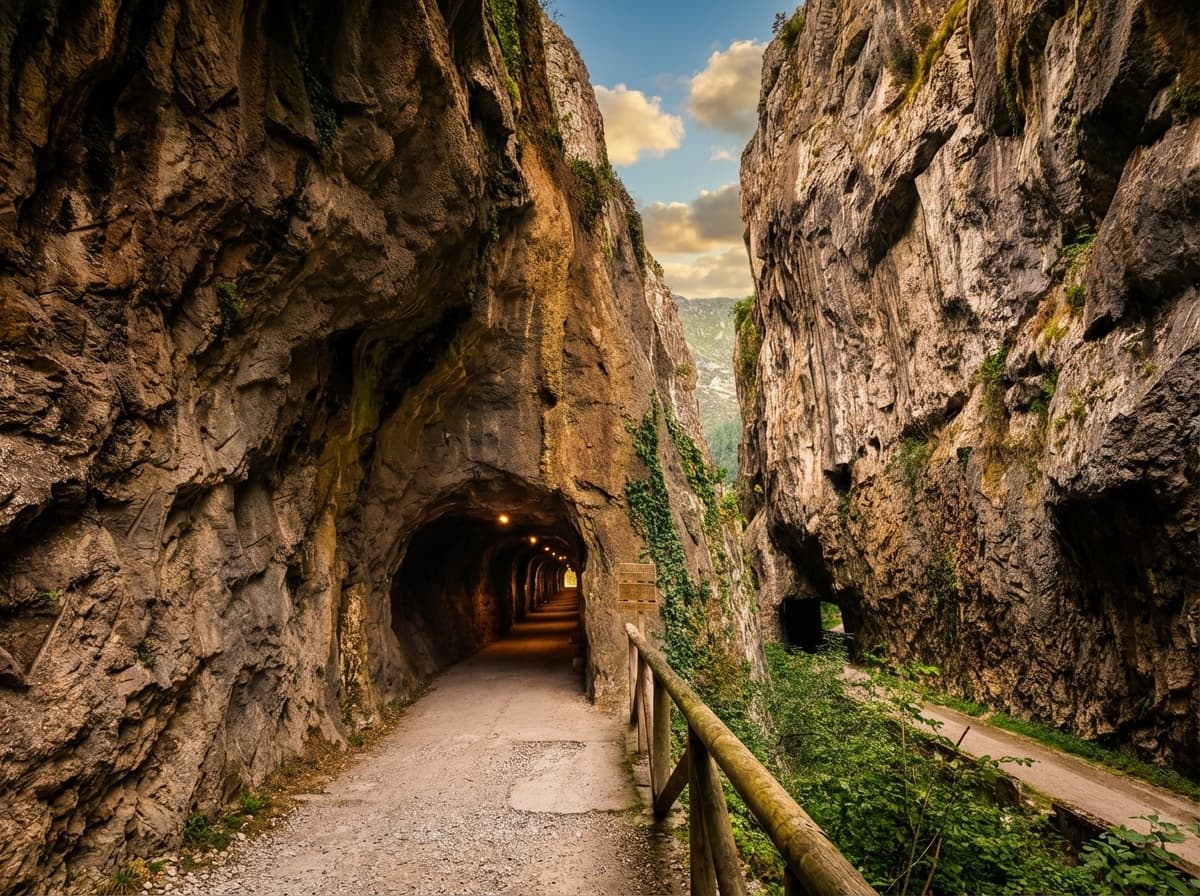
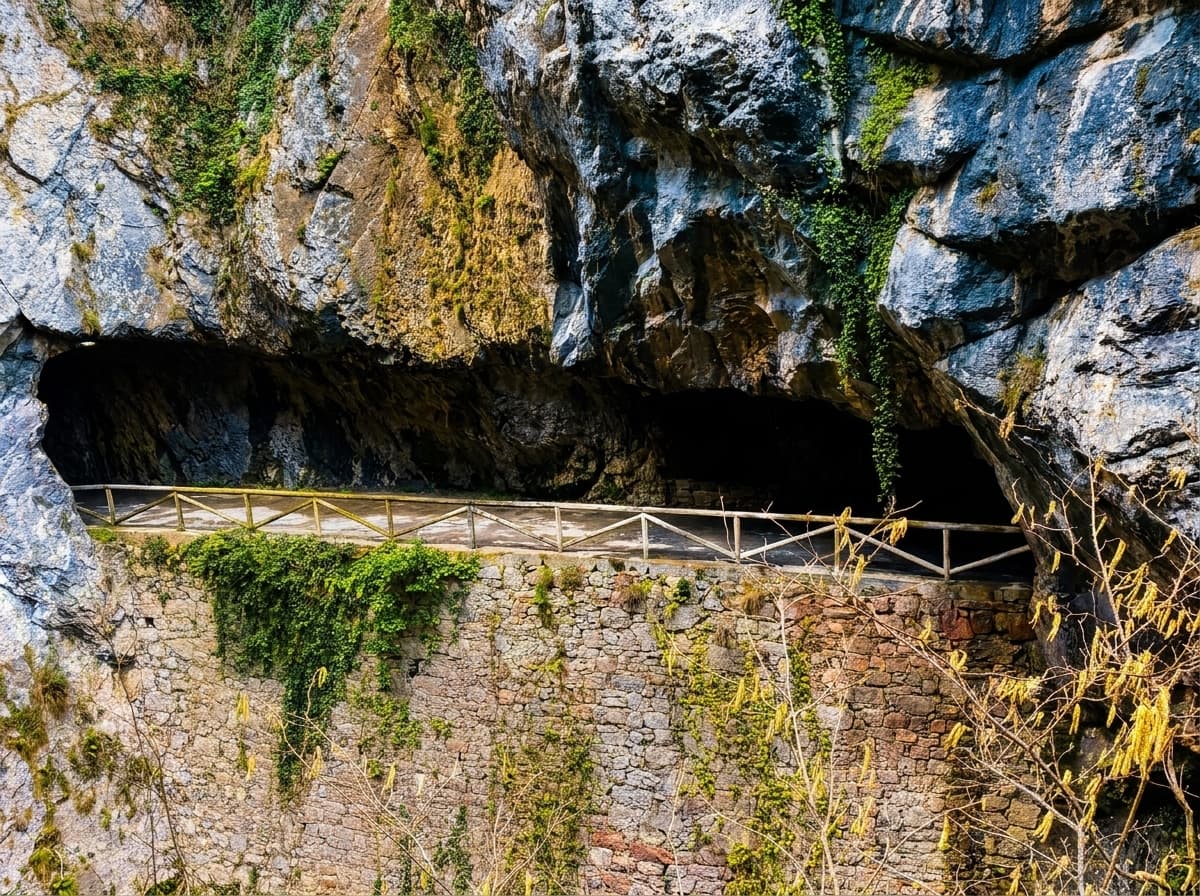
When the mines closed in the mid-20th century, the line was abandoned. In the 1990s it was converted into a recreational greenway, keeping the original tunnels, bridges and cuttings. Today you cycle literally along the historical track.
This explains several things you will notice while cycling:
- The gradient is minimal: locomotives could not handle steep slopes, so the route is practically flat. Ideal for families and easy for kids.
- The tunnels: original from the railway. Some lit, some not. Bring a light if you cycle late.
- The stations: many have been turned into rest areas or small museums. The one in Entrago, where our shop is, is one of them.
It is a very Asturian narrative: industry transformed into recovered nature. The Proaza and Santo Adriano spoil tips have become habitat for flora and fauna. What was intensive mining is now an ecological corridor for the Cantabrian brown bear.
How to experience local culture on the bike
A few practical tips to combine cycling with real cultural experience:
- Stop in small villages, not only in La Plaza (Teverga) or Proaza centre. Caranga, Santo Adriano, Tuñón and Bermiego keep the most authentic feel.
- Book a table in advance at sidrerías on summer and bank-holiday weekends. The authentic ones fill up fast.
- Ask about cheesemakers open to visitors: some run guided visits with tastings. The Afuega’l Pitu designation publishes a producer map on its official site.
- If you come in November, plan around the Feria de San Martín in Teverga. It is the moment of the year when local culture is concentrated in one weekend.
Why does this matter if you just came to cycle?
Because there are two ways of doing the Senda del Oso. The fast one (the 18 km standard route, photo at the bear enclosure, back home) and the slow one (understand the land, stop in the villages, talk to people, eat well).
Both are valid. But the second is the one that makes people come back year after year. And the one that gives you a real sense of why Asturias is what it is.
If you need a starting point, our base in Entrago (Teverga) is the practical one: you rent the bike, we tell you the route and we recommend the best stops for food and breaks. No upfront payment, return transfer included, and all the local context you need.